


- Chhavi Mishra
- 17 Dec 2025
- Articles
Use of AI in Interior Decoration
Use of AI in Interior Decoration
Introduction
Interior design has undergone a massive digital transformation in the last few years, and artificial intelligence is at the heart of this revolution. What began as simple rendering tools has now evolved into smart systems that can learn your preferences, analyse space efficiency, personalize décor, suggest materials, simulate lighting, and even predict design trends. AI is not replacing interior designers; instead, it is becoming a powerful co-creator that saves time, optimizes layouts, and enhances creativity.
This article explores how AI is reshaping interior decoration for homeowners, architects, designers, and real estate developers.
One of the most significant impacts of AI is in design planning and visualization. AI-powered platforms can generate multiple layout options within minutes, allowing users to compare furniture placement, circulation flow, and spatial efficiency before execution. Advanced visualization tools also enable realistic 3D walkthroughs, helping clients clearly understand the final outcome and make confident decisions early in the process.
AI is also transforming material and colour selection. By analysing user preferences, budget constraints, climate, and lifestyle needs, AI tools can recommend suitable finishes, fabrics, and palettes that balance aesthetics with durability. Lighting simulations further help designers test different moods, daylight conditions, and energy-efficient solutions.
For real estate developers, AI supports faster project execution and cost optimisation. It assists in predicting buyer preferences, standardising unit layouts, and reducing design errors, leading to quicker approvals and better returns. Homeowners benefit from personalised designs that reflect their personality while staying within budget.
Overall, AI is redefining interior decoration by making design smarter, more data-driven, and highly customised bridging creativity with technology for future-ready living spaces.
1. AI as a Personal Design Assistant
Today's AI tools can generate complete interior concepts based on simple prompts such as “minimalist living room with warm lighting” or “luxury master bedroom in beige and gold tones”.
These platforms analyse millions of design references and produce photorealistic images within seconds.
How homeowners benefit-
• You can visualize design ideas before executing them.
• You can compare multiple concepts instantly.
• You save money by avoiding rework during execution.
How designers benefit-
• Faster mood boards
• Rapid iteration
• New creative directions
• Eliminates manual drafting for concept stages
Tools like Midjourney, Stable Diffusion etc have become popular for interior concept creation.
2. AI for Space Planning
AI algorithms can calculate movement flow, furniture placement, and optimal use of available square footage.
Examples
• Automated layout generation based on room dimensions
• AI suggestions for furniture sizes that match your room scale
• Identifying dead corners or inefficient layouts
• Predicting how layout changes will impact usability
This is extremely useful for small apartments in cities like Mumbai, Pune, and Bengaluru.
3. AI in Material Selection
Interior designers often struggle with selecting materials that match client preferences, budgets, and aesthetics. AI simplifies this process by:
• Recommending materials based on uploaded images
• Suggesting alternatives within budget
• Predicting durability and maintenance needs
• Matching colour palettes using deep learning
For example, AI can tell you whether Italian marble or quartz would be more suitable based on usage pattern and lighting.
4. AI-Driven Lighting Simulation
Lighting can dramatically transform a space. AI tools now:
• Simulate natural and artificial lighting
• Optimize placement of fixtures
• Recommend color temperatures
• Visualize daytime vs. nighttime scenarios
This helps homeowners avoid costly lighting mistakes.
5. AI-Powered Virtual Staging for Real Estate
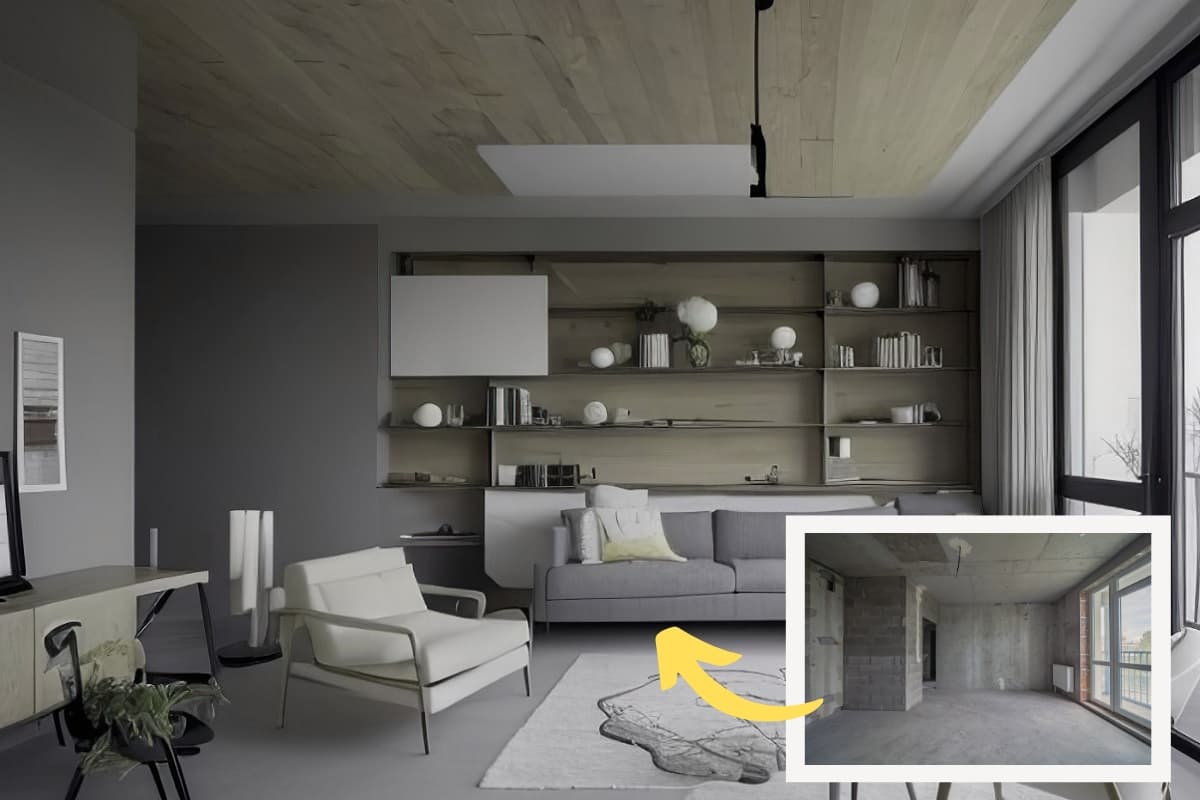
Real estate developers and brokers use AI to virtually furnish empty apartments.
Advantages:
• Faster sales
• Better visualization for buyers
• Customizable staging styles
• Cost-effective compared to physical staging
Platforms like Styldod, Roomy and Homestyler are widely used in India.
6. AI for Budgeting and Project Management
AI can estimate project costs accurately by analysing:
• Room sizes
• Selected materials
• Labor market rates
• Timeline projections
This helps prevent overruns and improves execution planning.
7. AI-Powered Smart Homes
Smart home integration is now part of interior design itself. AI controls:
• Lighting
• Curtains
• HVAC
• Security
• Entertainment systems
Interior designers now plan wiring, furniture placement, and layouts keeping automation in mind.
References